What the letters actually mean
An S-track follows the natural S-curve of the spine and stops at the base of the back. An L-track continues under the seat to the back of the thighs. SL is the hybrid most flagships now use: the S-curve up top, the L-extension below.
The practical difference is not comfort in the abstract. It is whether the rollers reach the glutes and hamstrings at all. If your complaint is sciatic or lower back, that extension is the entire point of paying more.
Track length is the number to check
Two chairs can both be labelled "L-track" and differ by twelve inches of travel. Length, stated in inches, tells you far more than the letter does, and it usually sits in the spec table rather than the headline.
Side by side
| Attribute | S-track | L-track | SL-track |
|---|---|---|---|
| Typical length | 30–40" | 44–50" | 49–53" |
| Reaches glutes | No | Yes | Yes |
| Neck precision | High | Variable | High |
| Footprint | Smallest | Large | Largest |
"4D" describes roller depth control, not track shape. A 4D S-track will still stop at your lower back. The two specs are independent, so check both.
Height and coverage
Longer is not better in isolation. A 52-inch track on a 5'4" frame places the shoulder rollers above the trapezius, which reads as a neck massage nobody asked for. Match stated user-height range first, then look at length.
The most common upgrade regret we see in owner reviews is not too little chair. It is too much track for the body in it.
Chairs we'd shortlist
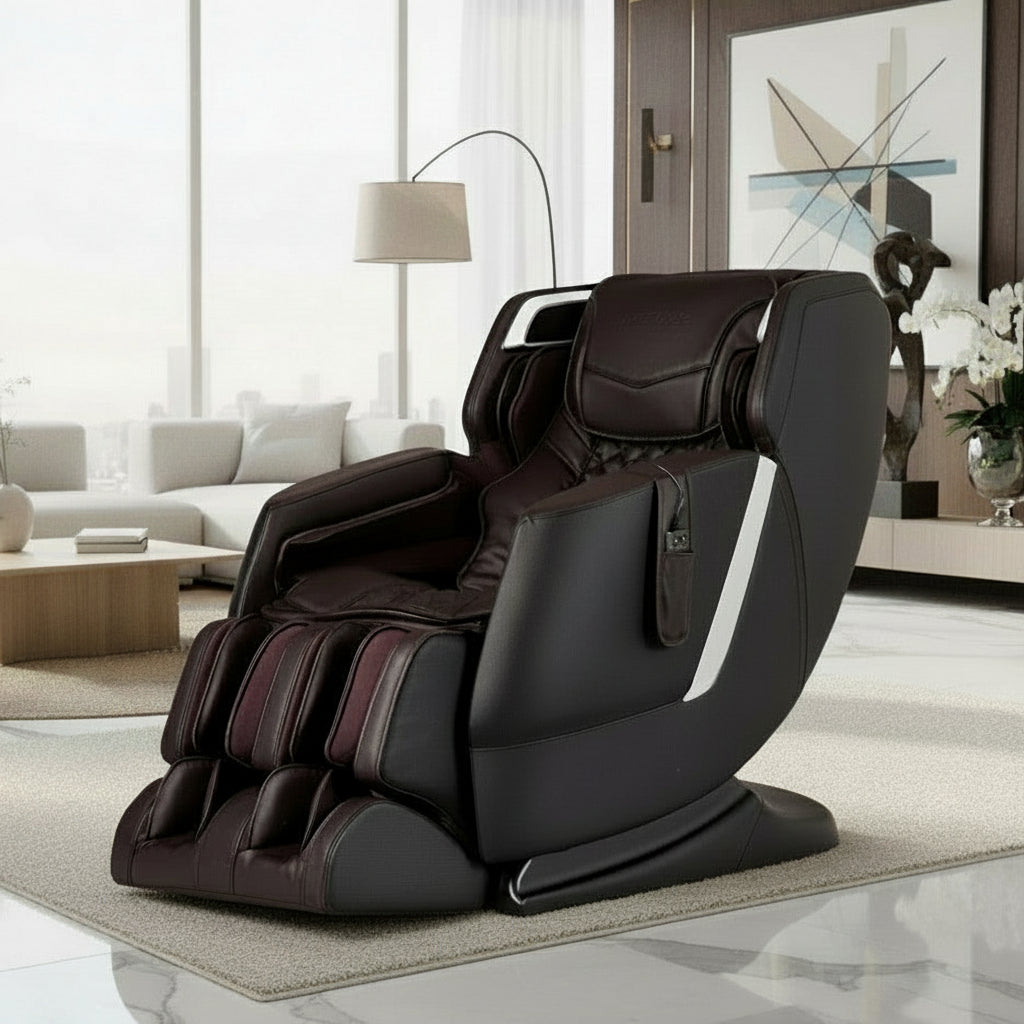
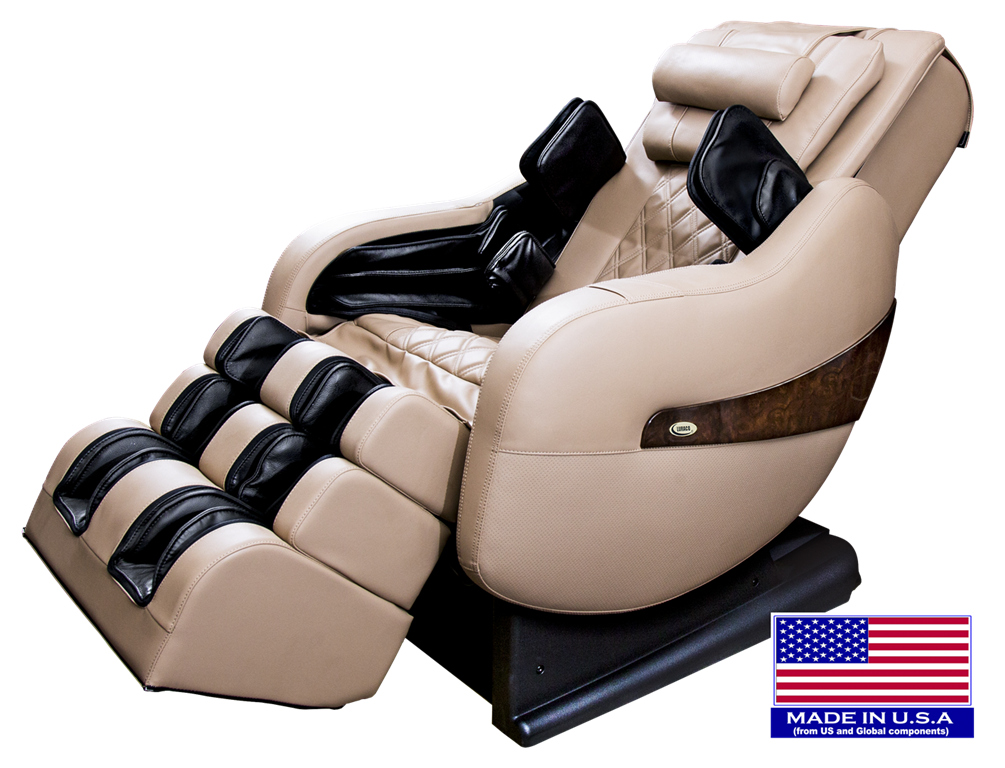
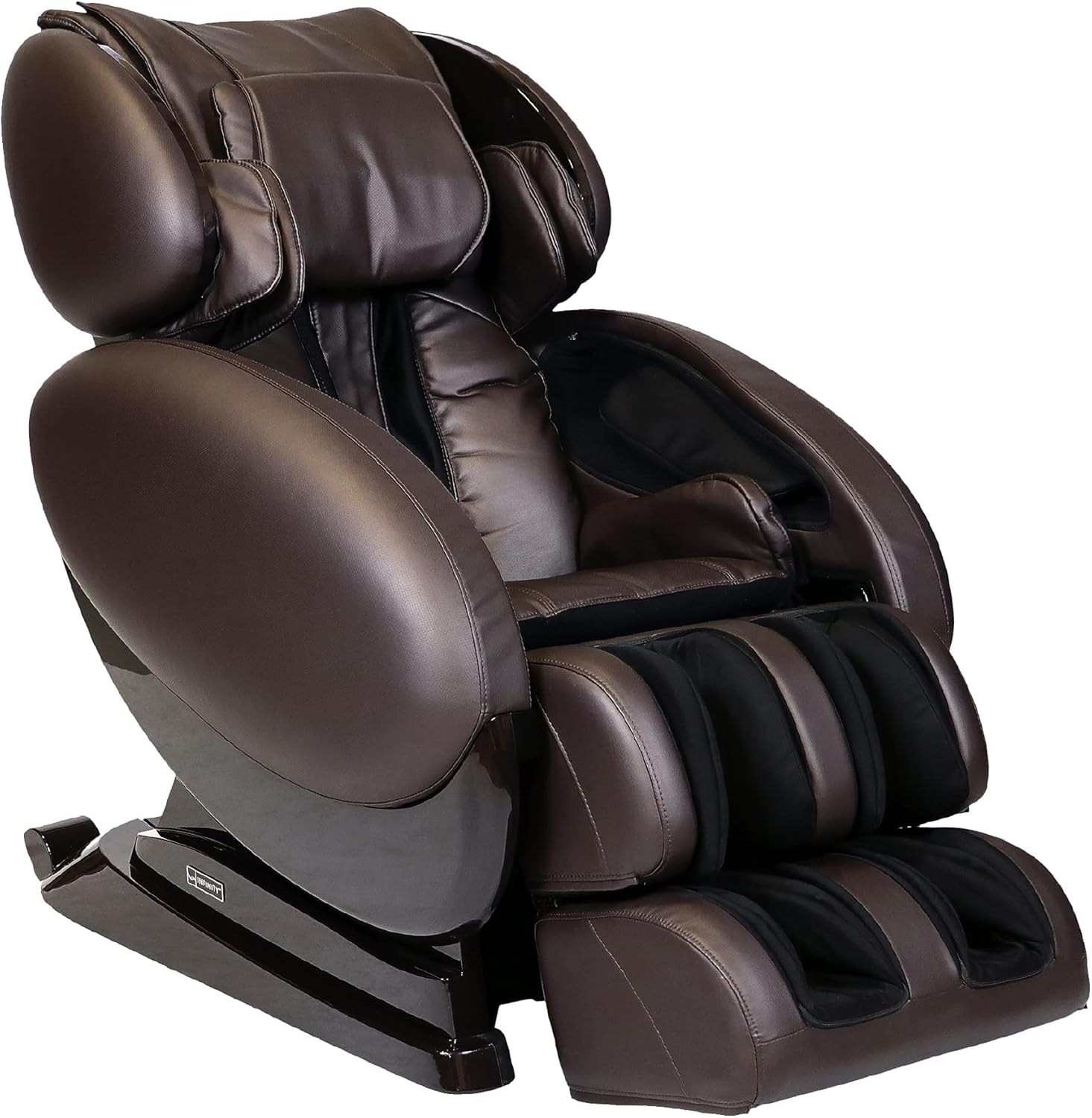
One clean pick per track type, from the current index.
FAQ
Is an L-track always worth the premium?
Only if you want coverage below the belt line. For neck and upper-back complaints, a good S-track at half the price is the smarter buy.
Do L-track chairs need more room?
Generally yes. Longer frames and deeper recline slides mean you should budget 4 to 6 inches of rear clearance, unless the chair is explicitly wall-hugging.
Can a track be too long for me?
Yes. Under about 5'6", long tracks tend to overshoot the shoulders. Stated user-height range is the guardrail.
What does SL-Track mean on a massage chair?
SL-Track is the most common marketing term for an extended-path roller that follows the spine from the neck through the lumbar and around the curve of the seat to the glutes, combining the S-shape of a traditional track with the L-shape extension. Almost all premium chairs use SL-Track or similar long-path designs.
Which track type is best for lower back pain?
S-Track and SL-Track both cover the lumbar zone, but SL-Track adds glute coverage, which can relieve referred lower-back pain caused by tight hip flexors and piriformis muscles. Most physiotherapists recommend SL-Track for chronic lower back issues.