Zero Gravity Full Body Massage Chairs
Zero gravity is the single most impactful feature for therapeutic effectiveness. It decompresses your spine, improves circulation, and makes every pound of roller pressure feel more effective. Here's what it actually does — and what to look for.
What Zero Gravity Actually Does
Zero gravity was developed by NASA to describe the neutral body posture that astronauts naturally adopt in weightlessness. When floating in space, the body settles into a position where the knees rise slightly above the heart, the spine elongates, and the hips open. Massage chair engineers borrowed this position to replicate its spinal decompression benefits on the ground.
In a zero gravity massage chair, the seat tilts forward while the backrest reclines simultaneously — raising your legs to or above heart level. The effect: your body weight distributes evenly across the chair rather than loading your lumbar discs and sacrum. Spinal compression drops by approximately 75% compared to an upright seated position.
The secondary benefit is massage amplification. When you're upright, your body weight and muscle tension resist the rollers. In zero gravity, gravity cooperates with the rollers — pressing your back into them rather than pulling it away. The same intensity setting delivers measurably deeper effective pressure in zero gravity.
1-Stage vs 2-Stage Zero Gravity
1-Stage Zero Gravity
The chair reclines to one fixed zero gravity position. This is what most mid-range chairs offer. It's sufficient for the therapeutic benefits — spinal decompression is meaningful at a single angle.
Good for: Single users, daily therapeutic use, buyers who don't need to customize the recline depth.
2-Stage Zero Gravity
Two distinct recline angles — typically a moderate position and a deeper inversion. Stage 2 provides a more pronounced anti-gravity sensation and further decompression for users with more severe lower back compression.
Good for: Shared chairs (multiple users can find their angle), chronic back pain, taller users who want more inversion, and buyers who want maximum flexibility.
Top-Rated Zero Gravity Chairs
All chairs below have confirmed zero gravity recline. Sorted by popularity score.
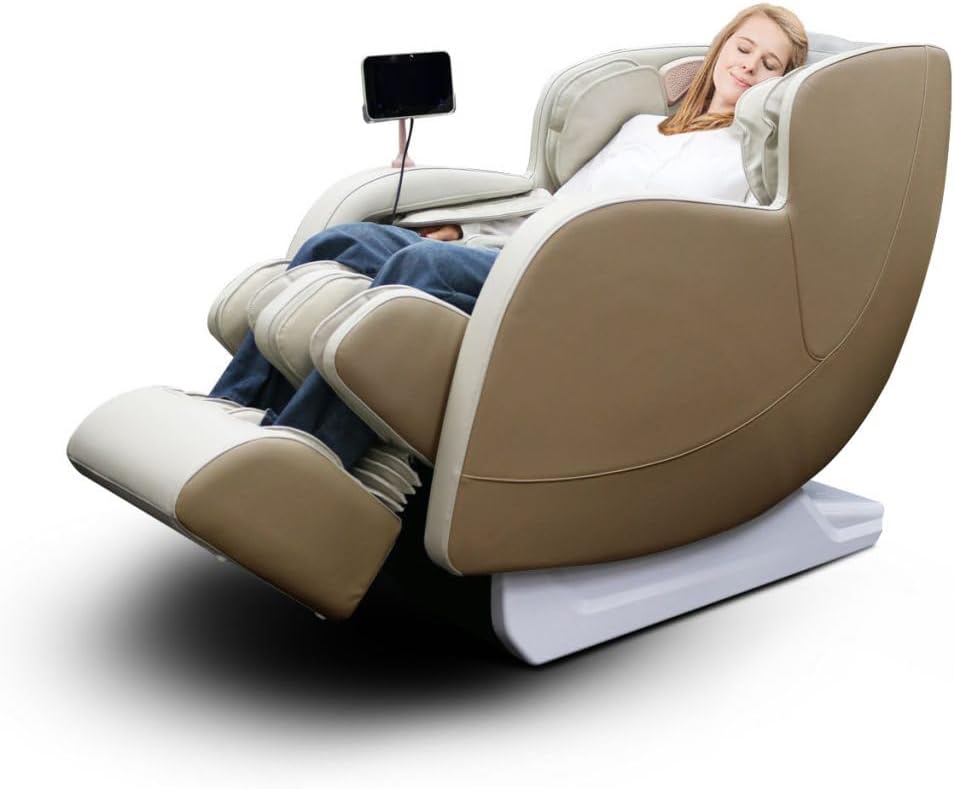
6D Dual-Core (3D+3D) 50-inch SL-Track massage chair with 9 auto programs, automatic body scanning, back-of-calf rollers, hand acupressure balls, waist/calf heat therapy, and Zero Gravity recline. Upgraded successor to the bestselling LM-6800.
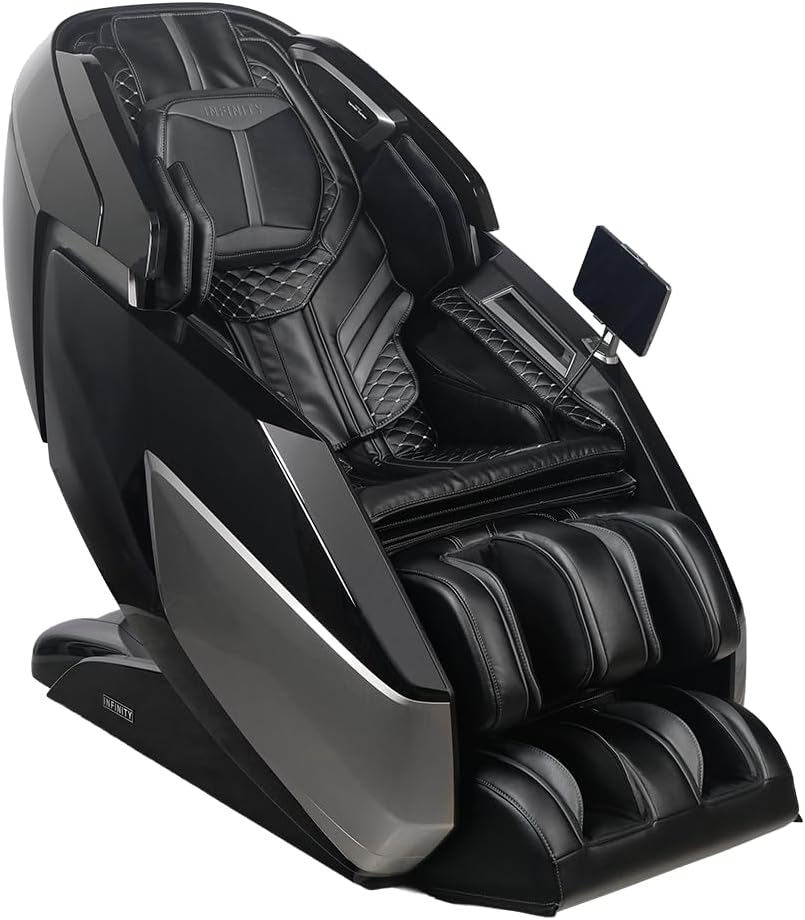
Ultra-luxury dual 4D Flex-Track massage chair with Syner-D synchronization, 88 airbags, and AI health monitoring — IBT Editor's Pick 2026.
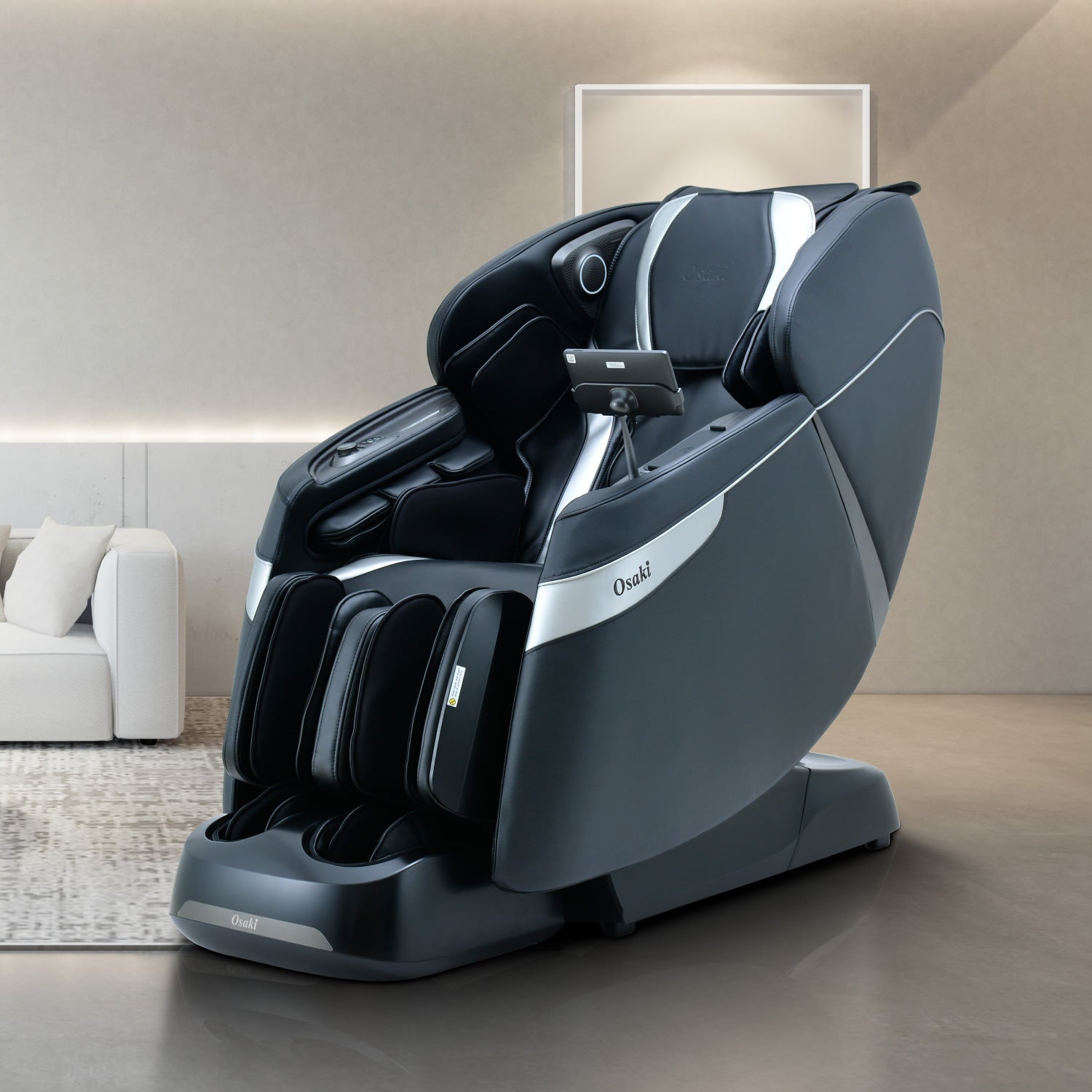
AI-powered 4D with LiFlex track, 20 auto programs, Thai Stretch, 48-cell airbags, Sonic Pulse, 3-stage zero gravity.
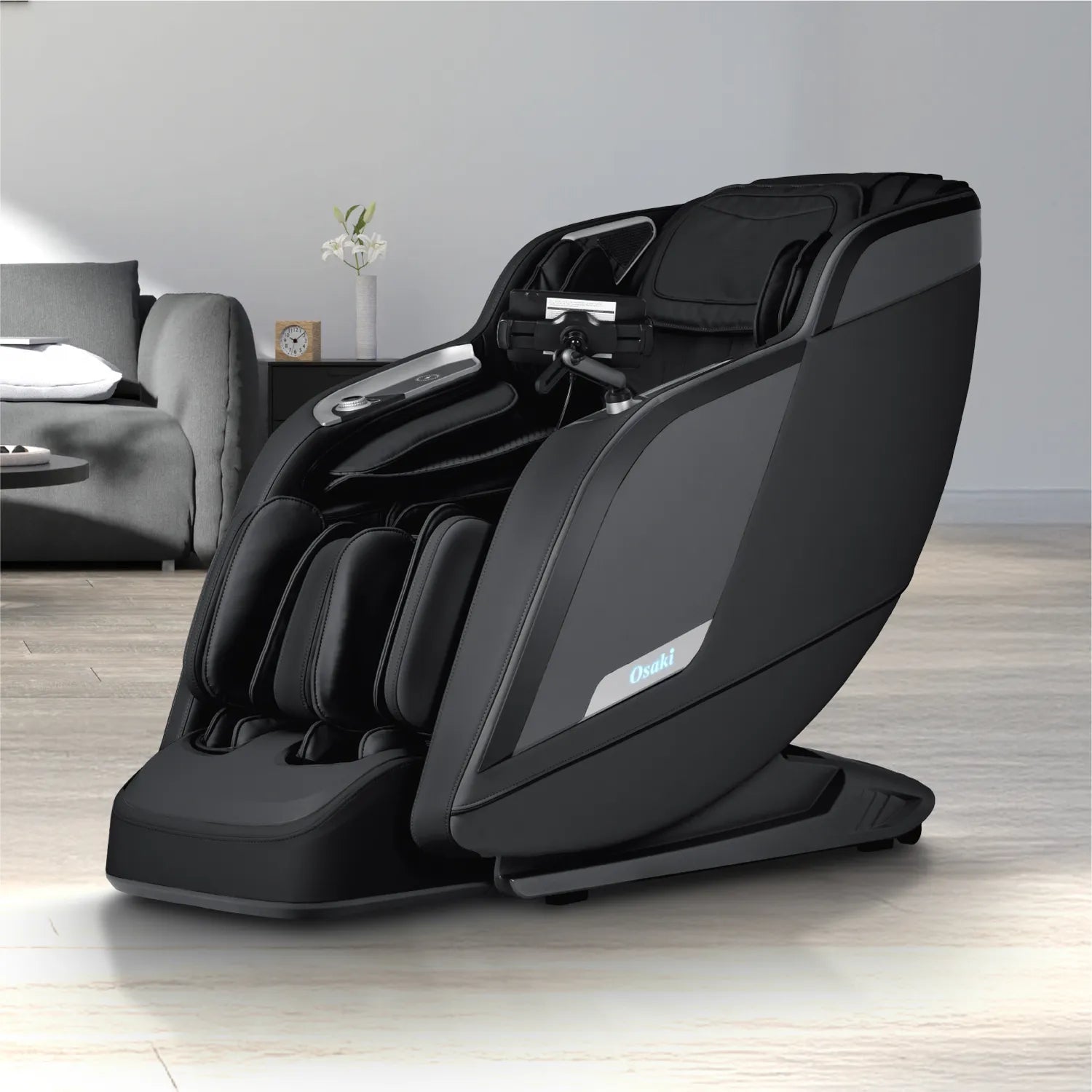
Premium dual 5D+4D AI SL-track massage chair with smart pressure sensors, 62 airbags, and sliding door system.
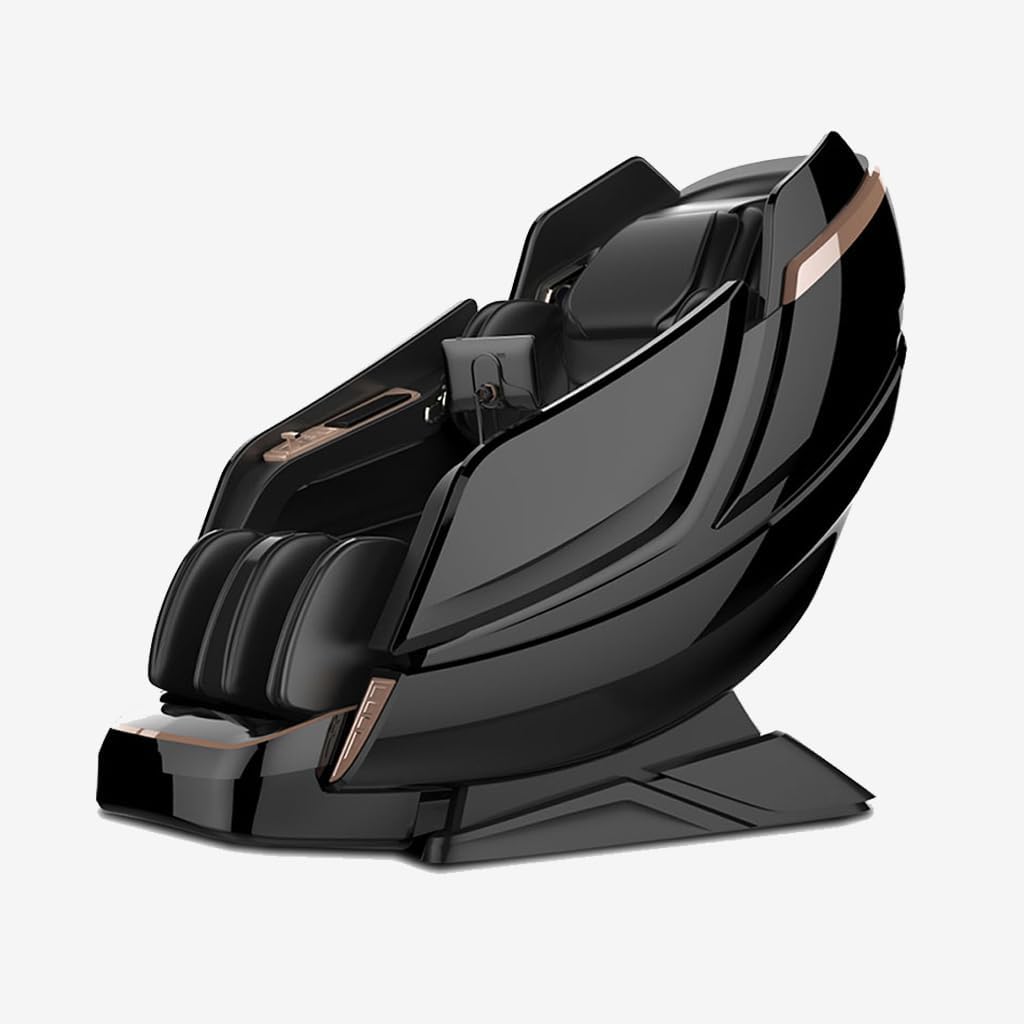
Flagship 8D AI Dual-Core SL-Track massage chair with 94 airbags, neck traction, 3D lumbar heat, aromatherapy, ambient lighting, smartphone app, and an industry-leading 10-year + 5-year in-home service warranty.
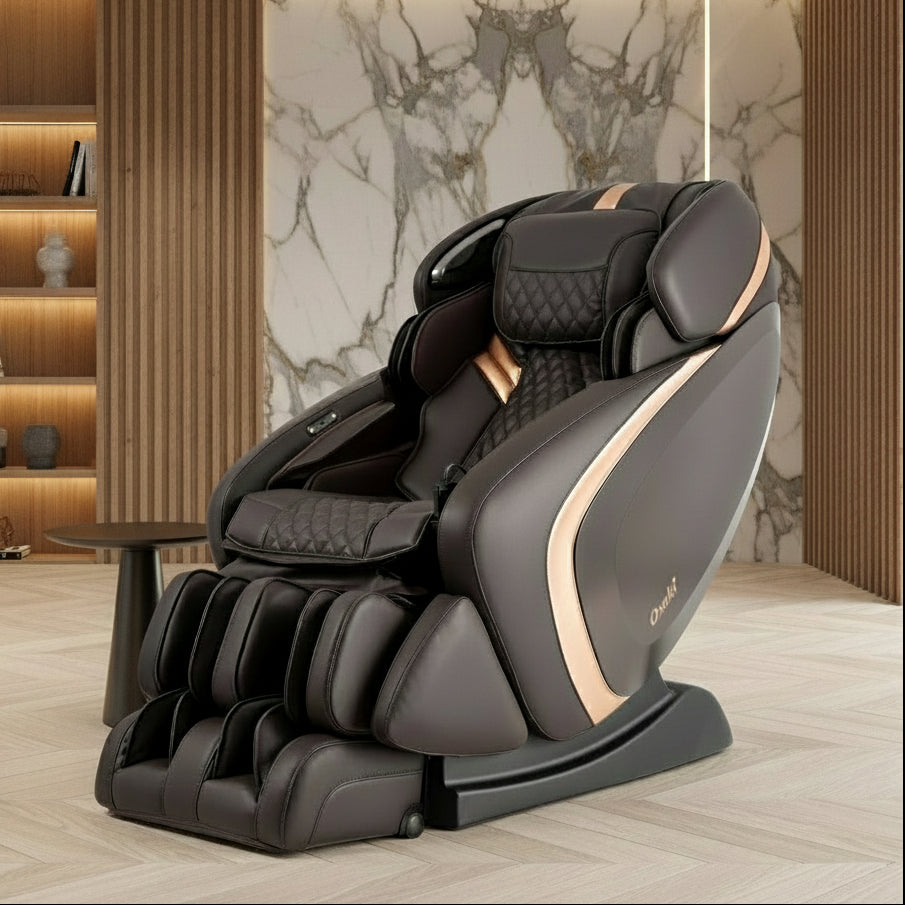
3D SL-Track massage chair with 15 auto programs, full-body airbag coverage, triple spinning reflexology foot rollers, lumbar heat, LED lighting, and space-saving 2" wall clearance.
Who Benefits Most from Zero Gravity
Lower back pain
Decompressing the lumbar spine removes the compressive forces that worsen disc pain, sciatica, and paraspinal tightness. The most clinically supported use case for zero gravity.
Desk workers
Sitting upright for 8+ hours compresses the lumbar discs by 40% more than standing. Zero gravity directly reverses this daily compression, making it ideal for office workers.
Tall users
Zero gravity takes pressure off hip flexors that pull the lumbar spine forward — a posture challenge more common in taller frames. The elongated position also allows rollers to reach further up the spine.
Poor circulation
Raising the legs above heart level facilitates venous return from the lower limbs. Users who experience leg swelling or poor circulation often report noticeable improvement after consistent zero gravity sessions.
Stress and sleep quality
The zero gravity position activates the parasympathetic nervous system — the body's rest-and-digest response. Combined with evening massage, this makes zero gravity chairs effective pre-sleep relaxation tools.
Postural correction
Regular time in a neutral spinal position counteracts the forward-head and rounded-shoulder posture built up over the day. Not a replacement for physical therapy, but a useful daily reset.
What to Look for Beyond "Has Zero Gravity"
- 01Wall clearance. Standard zero gravity chairs need 12–18 inches behind the backrest to recline. Space-saving (wall-hugger) designs need only 2–4 inches — important for smaller rooms.
- 02Auto program integration. The best chairs automatically move into zero gravity at the start of a massage program rather than requiring a separate button press. Confirm this in the chair specs.
- 03Lumbar heat pairing. Zero gravity + lumbar heat is a particularly effective combination for lower back pain. The decompressed spine allows heat to penetrate more deeply into the paraspinal muscles. Look for both features together.
- 04Footrest length. In zero gravity with legs elevated, your calves and feet rest on the footrest. Confirm the footrest is long enough for your height — short footrests leave calves hanging, defeating the circulation benefit.
Zero Gravity — Common Questions
- What does zero gravity mean in a massage chair?
- Zero gravity is a recline position inspired by NASA's neutral body posture research. The chair tilts so your knees rise to or above heart level, distributing your body weight evenly across the chair rather than concentrating it on the spine and hips. This position reduces spinal compression by roughly 75% compared to sitting upright, improves circulation, and allows massage rollers to work with gravity rather than against it.
- Is zero gravity actually good for back pain?
- Yes — consistently. By decompressing the spine, zero gravity removes the axial load that compresses lumbar discs throughout the day. Combined with roller massage in this position, most users with chronic lower back pain report significantly better results than standard upright massage. The position also takes pressure off the sciatic nerve, making it beneficial for radiating leg pain associated with tight hip muscles.
- What is the difference between 1-stage and 2-stage zero gravity?
- Stage 1 zero gravity is a single preset recline angle (typically around 120–130°). Stage 2 adds a second, deeper recline position — usually around 140–150° — for a more pronounced anti-gravity effect. Stage 2 is worth having if you share the chair with people of different heights (each can find their preferred angle) or if you want to experiment with deeper inversion. Most buyers find Stage 1 sufficient for daily therapeutic use.
- Do all massage chairs have zero gravity?
- No. Zero gravity is a mid-range and luxury feature — it's found in roughly 60–70% of chairs in the $1,500+ range but is largely absent from budget chairs under $1,000. Budget chairs typically recline but don't reach the true zero gravity angle (knees at or above heart). Check the zero gravity field on each chair's detail page to confirm before buying.
- Can zero gravity recline hurt you?
- For most healthy adults, no. It's a gentle position that reduces rather than adds spinal load. Exceptions: people with severe acid reflux or GERD may find the position worsens symptoms. People with certain cardiovascular conditions (uncontrolled hypertension, heart failure) should consult a physician before using zero gravity regularly. The position itself is not a medical treatment — it's a comfort position that makes massage more effective.
- Does zero gravity make the massage feel different?
- Yes — noticeably. When upright, your body weight and muscle tension work against the rollers. In zero gravity, gravity helps the rollers press into your back more effectively without increasing the mechanical pressure. Most users describe the same intensity setting as feeling 20–30% more effective in zero gravity. If you've tried a chair sitting upright and found the pressure insufficient, try it in zero gravity first.