The true cost of owning a massage chair

Sticker price is only half the story. Set your ownership horizon and we net out each chair's realistic resale value and return risk to rank them by what they actually cost to keep — the number most affiliate sites never show you.

Your ownership horizon

How long you'd keep it

Resale is a chair's verified 3-year band, tapered deeper for a 4- or 5-year hold.

Lowest net cost to own · 3 years

$699

That's the sticker price minus realistic resale value, plus a risk-weighted return cost — what the chair actually costs to keep, not what you pay on day one. Chairs are ranked below by that net figure.

Cheapest to truly own

8 PICKS
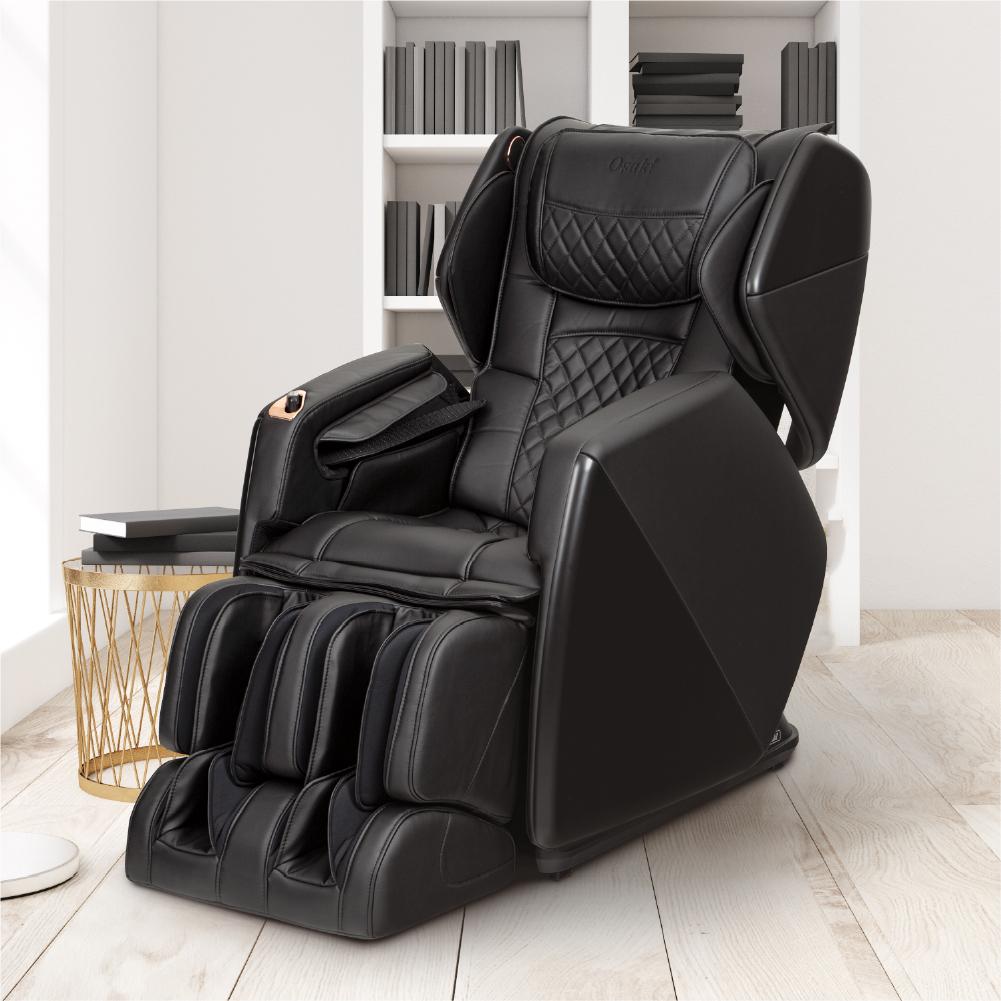
2AmaMedic Q7
AmaMedic

Net ~$827 after 20% resale, 1yr warranty

Most massage-chair sites quote a price and stop there, because the price is where the commission lives. The number that decides whether a chair was a good buy is the one they leave out: what you get back when you're done with it, and what it costs if the return goes sideways. We publish both. Resale here is each chair's verified three-year band tapered for a longer hold, and the return-risk line assumes a one-in-ten chance you send it back and eat the freight — a real cost with curbside-only, buyer-palletize logistics on heavy chairs. None of it is flattering to the sticker, which is exactly why it belongs in the decision. Pair it with our worth-it / break-even calculator to see both sides of the money.
Common questions

Do massage chairs hold their value?
Not well. Like a mattress or a treadmill, a massage chair is a bulky used-goods category with weak secondhand demand, so most models recover only 20–30% of their price after three years. A few premium brands with strong names and long warranties hold closer to a third; unknown budget chairs can drop below 20%. Resale is a real number, but it's a modest offset — not an investment.
What is the true cost of owning a massage chair?
The true cost is the price you pay minus what you can sell it for later, plus the risk-weighted cost of a return that doesn't go smoothly. A $4,000 chair that resells for 25% ($1,000) after three years has effectively cost you $3,000 to own — and that figure moves depending on how deep depreciation runs over your horizon and whether the chair is expensive to send back.
Which massage chair brands depreciate the least?
Established names with a long service history and transferable multi-year warranties tend to depreciate slowest, because a secondhand buyer inherits both a recognizable brand and remaining coverage. Chairs sold under private-label or short-lived brands depreciate fastest, since a used-market buyer has no warranty to inherit and no reputation to trust. The calculator above ranks each chair on its own verified resale band rather than brand reputation alone.