3D vs 4D: which roller?

The '4D' upgrade sounds decisive but often isn't. Answer two questions about how deep you want it and what you'll spend, and we'll tell you whether the extra dimension is worth it — then line up chairs to match.

Two quick questions

How deep and customizable do you want it?
Where’s your budget comfort?

Our verdict

3D / 4D roller

3D is plenty — 4D optional

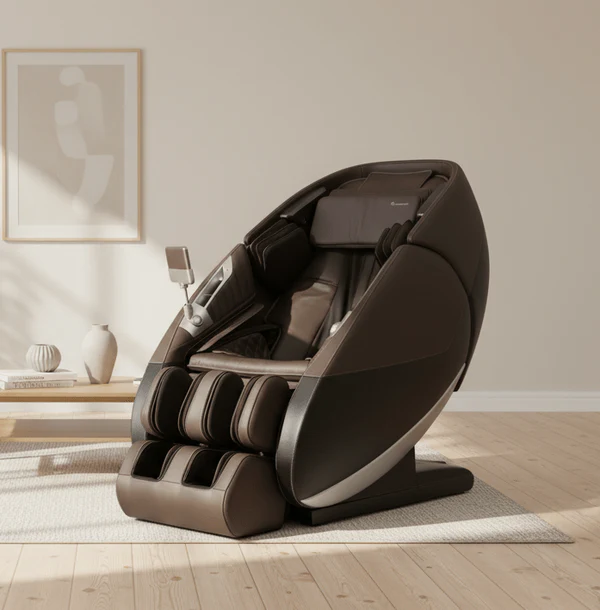
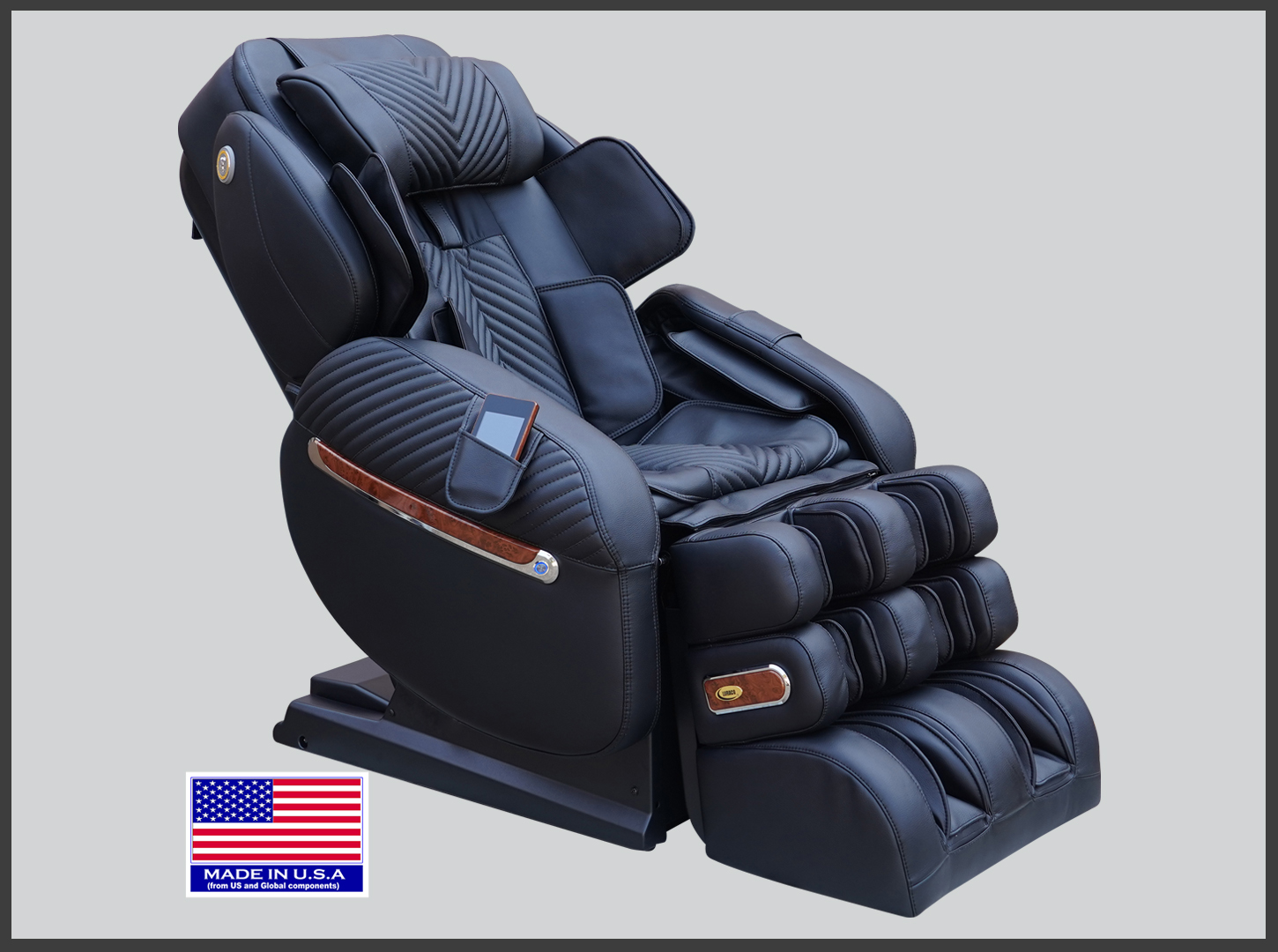
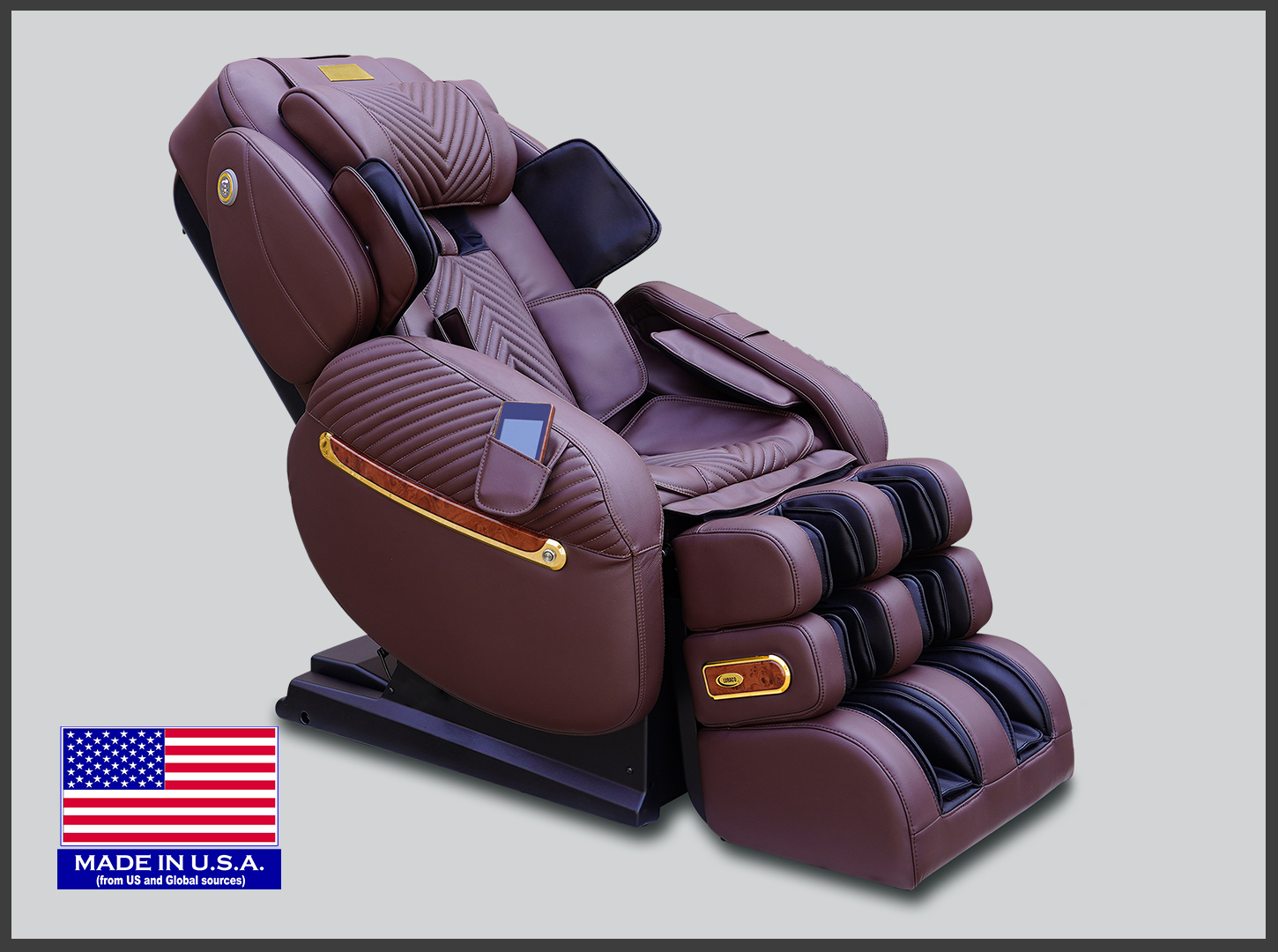
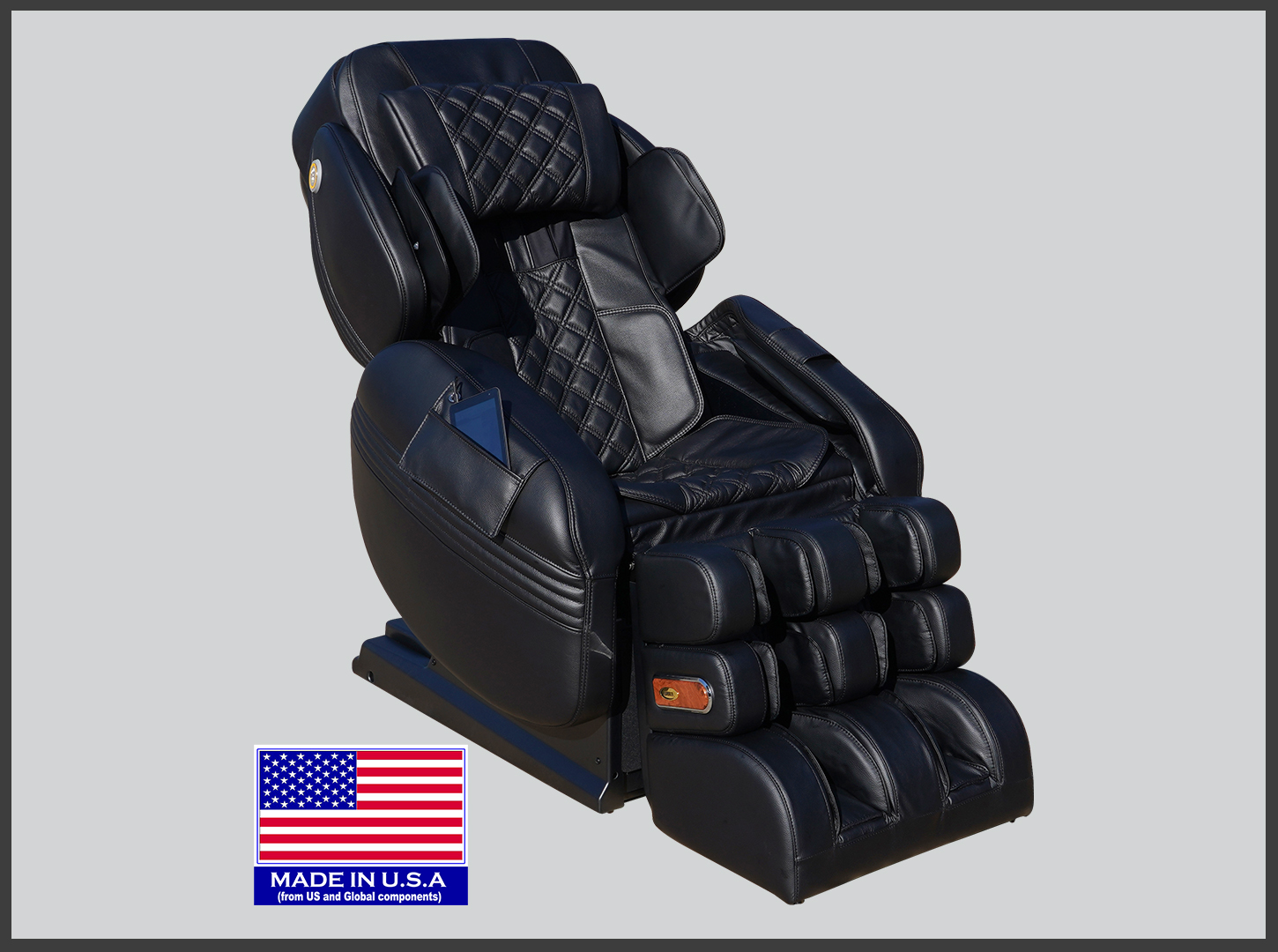
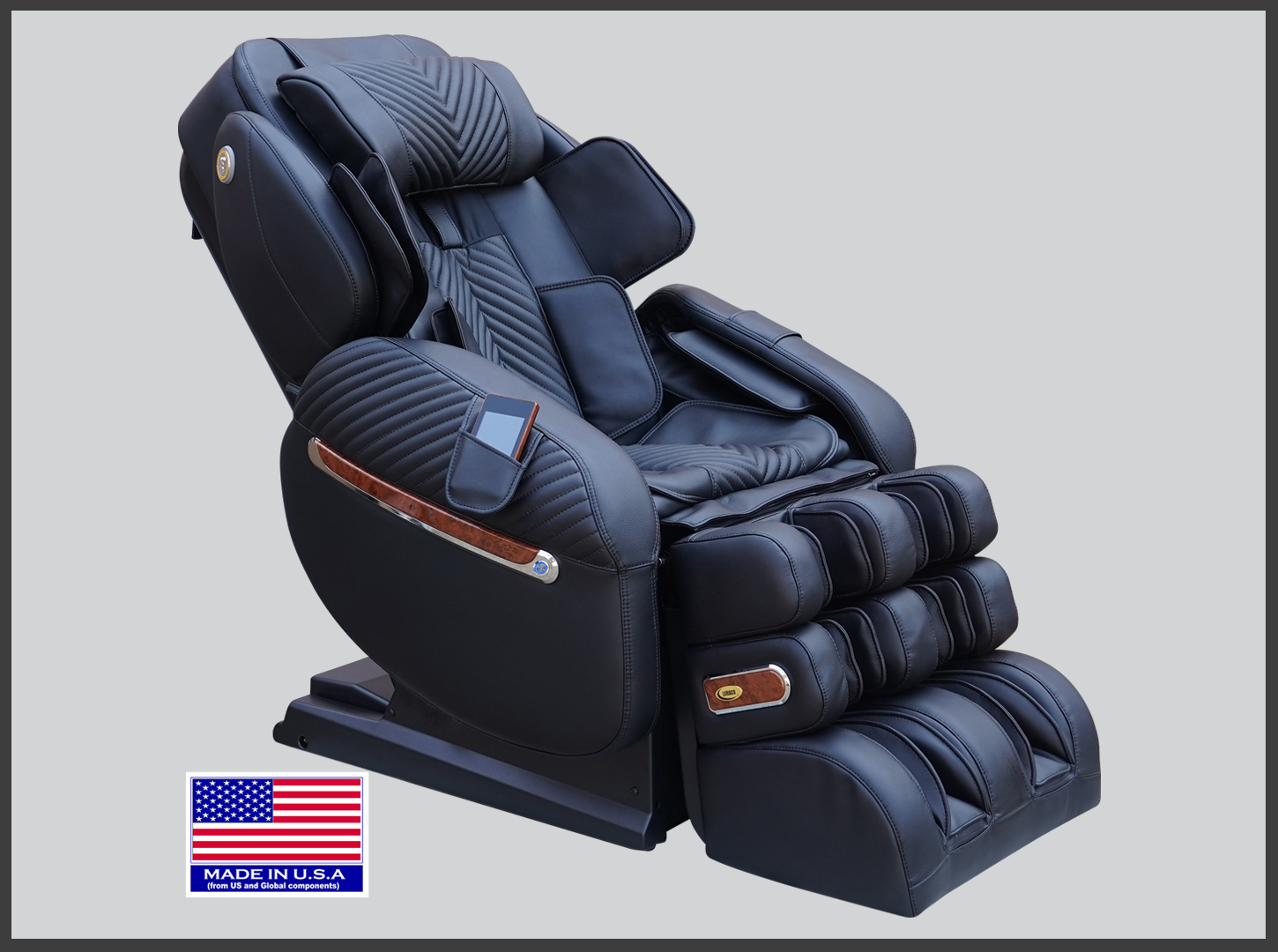
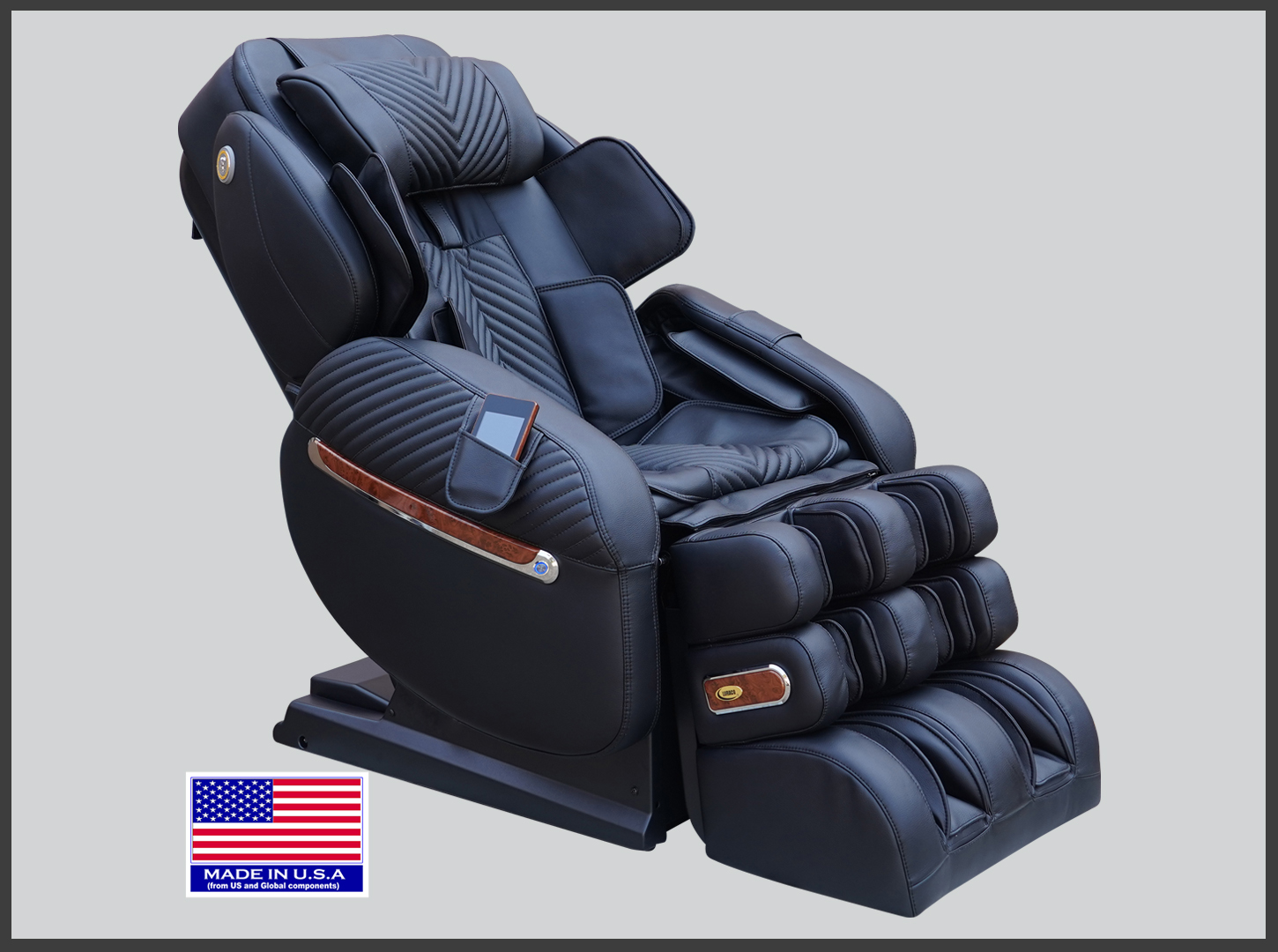
You’re right on the line. 3D covers what most people ever ask of a chair and is the sensible default here — it moves in and out to shape to your back and handles daily relief comfortably. Step up to 4D only if you specifically want dialed-in intensity: variable roller speed that lingers on a knot and pushes deeper. Below are strong 3D picks; if in doubt, 3D is the safe, well-priced choice.

Matching 3D chairs

6 PICKS

The short version: a 3D roller already presses in and out to follow your spine, so it handles the depth most people ever ask for. 4D adds one more thing — control over roller speed, letting the heads slow down, linger, and pulse over a tight spot so the session feels closer to human hands. That is a real difference for deep-tissue fans and anyone chasing a stubborn knot, but it is a refinement, not a different category — and on a value chair it is often the first corner cut. Spend the difference on track shape, heat coverage, and airbag count first. For the full breakdown of the axes and where each one earns its money, read our 4D vs 3D massage chairs guide.
Common questions

Is a 4D massage chair worth it over a 3D?
It's worth it if you specifically want variable-speed, deep, customizable pressure. A 4D roller adds speed control on top of the in-and-out reach a 3D already has, so it can slow down and push harder over a knot. For everyday relief and relaxation, a good 3D chair delivers most of that experience for less — so 4D pays off mainly for deep-tissue users and premium buyers.
What does the extra 'D' in 4D actually mean?
2D rollers move up/down and side to side. 3D adds a third axis — the rollers protrude in and out to follow the curve of your spine and vary depth. 4D adds a fourth dimension: rhythm and speed control, so the rollers can linger, pulse, and change pace to feel more like human hands. 5D–8D are marketing labels for tuned 4D systems, not a genuinely new axis.
Is 3D enough for back pain?
For most back pain, yes. A 3D roller adjusts how far it presses into the muscle, which is the part that matters for working out tension along the spine. 4D's advantage is finer control over speed and dwell time, which some people with stubborn deep knots prefer — but 3D combined with an SL-track and targeted heat covers the majority of home back-relief needs.